
Trump’s first tariffs on goods from Mexico and Canada: Uncertainty-induced pressure on U.S. manufacturing in the wake of the December trade data
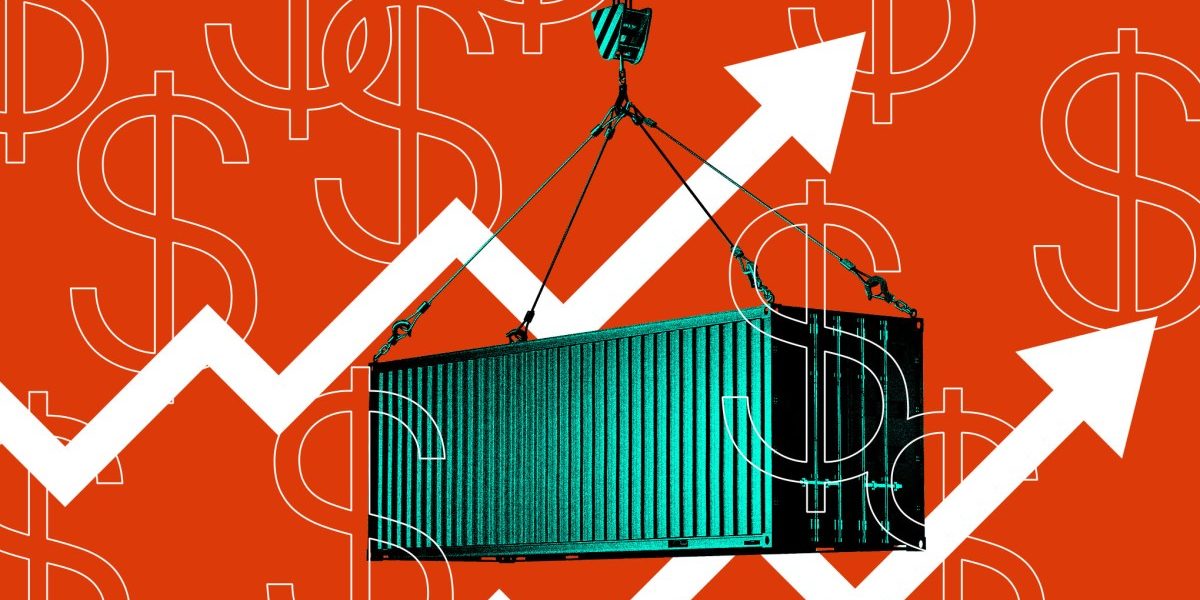
Some items may soon get more expensive for US consumers. Goods from Mexico and Canada will face a 25 percent import tariffs from February 1st under the proposed plan by President Donald Trump. The White House press secretary said Trump was very much considering tariffs on China on the same day. The details of these plans were not decided as of late Thursday.
One of the main campaign promises of Trump was to impose sweeping tariffs. He’s previously threatened up to a 60 percent tariff on goods from China, a 100 percent tariff on goods from Mexico, and even a 200 percent tariff on John Deere products imported into the US. Despite this, Trump failed to levy any tariffs on day one of his presidency, with Bloomberg reporting on Thursday that his administration lacked even concepts of a plan. His first round is now supposed to hit goods from Mexico and Canada, the two largest trade partners for the US.
Many businesses are making contingency plans because of the uncertainties surrounding the tariffs. Some companies may have tried to store goods before tariffs took effect, after trade data showed a big rise in imports in December.
Matthew Martdin of Oxford Economics states that importers were trying to bring in goods ahead of time. It is necessary to have costs and risks in regards to holding inventory. But businesses clearly believe there will be enough demand that they won’t be sitting on this inventory for long.”
Some individual shoppers tried to beat the tariffs. Personal spending on durable goods such as autos and televisions jumped in December, according to figures released Friday by the Commerce Department. Mexico is a leading producer of flat-screen TVs.
If tariffs are imposed on Mexican and Canadian imports, GeneralMotors may shift some pickup truck production out of Mexico and Canada. But the automaker is reluctant to act while the trade landscape is still uncertain.
The Greatest Thing Ever Induced by the U.S. Trade Commission: Explaining the Case of Mexico, Canada and the United States
Martin said that rising expenses would lead to higher costs for U.S. consumers and businesses around the country.
“We don’t think equity markets would really like 25% tariffs on Canada and Mexico,” Martin said. “It would really hurt the economy and hopefully that dissuades him from going full bore. This might just be more of a negotiating tactic.”
Trump has called tariffs “the greatest thing ever invented,” but he either doesn’t understand how they work or regularly lies about it. For years, he has claimed that the exporting country or company would foot the bill. Despite what the president and subjects of viral videos seem to believe, however, the exporting country’s government does not pay the tariff — the importer (like a retailer or other entity) pays it, and generally that additional cost is passed on to the consumer by charging them more for the item. If a company imports T-shirts from Mexico and sells them for $10, for example, a 25 percent tariff would add $2.50 to their costs, and they’re likely to jack up the price of your shirt to cover it.
Apple moved a portion of its manufacturing from China to India because of the tensions between the US and China. Import tariffs will increase the prices of goods and services in the US according to industry groups. An analysis by the Consumer Technology Association shows that under the original 60-percent tariffs on China, the prices of a laptop and a phone would increase by about 69 percent and 37 percent, respectively. Estimates suggest higher prices for tech products in China could cause a drop in consumer spending, which could be billions of dollars.
Comments on Trump’s “Gamma-Baxter Flow in the U.S. and the Midwest” tweeted on October 24, 2015
Trump said in a social media post that he’s taking action to address illegal drug flow across the United States’ northern and southern borders.
Canadian crude oil will be subject to a 10% tax, which could make a difference at the pump. Midwestern oil refineries are heavily dependent on Canadian crude.
The tariffs are harmful to the domestic industries, according to the group. Bourbon and Tennessee Whiskey can only be made in the U.S., Tequila in Mexico, and Canadian Whisky in Canada.